
Sometimes, the best pieces of art are the ones we almost missed. For Taylor Swift and her fans, the 1989 era represents a seismic shift from country sweetheart to synth-pop icon. But beyond the polaroid aesthetics and the chart-topping singles hides a treasure trove of unreleased gold.
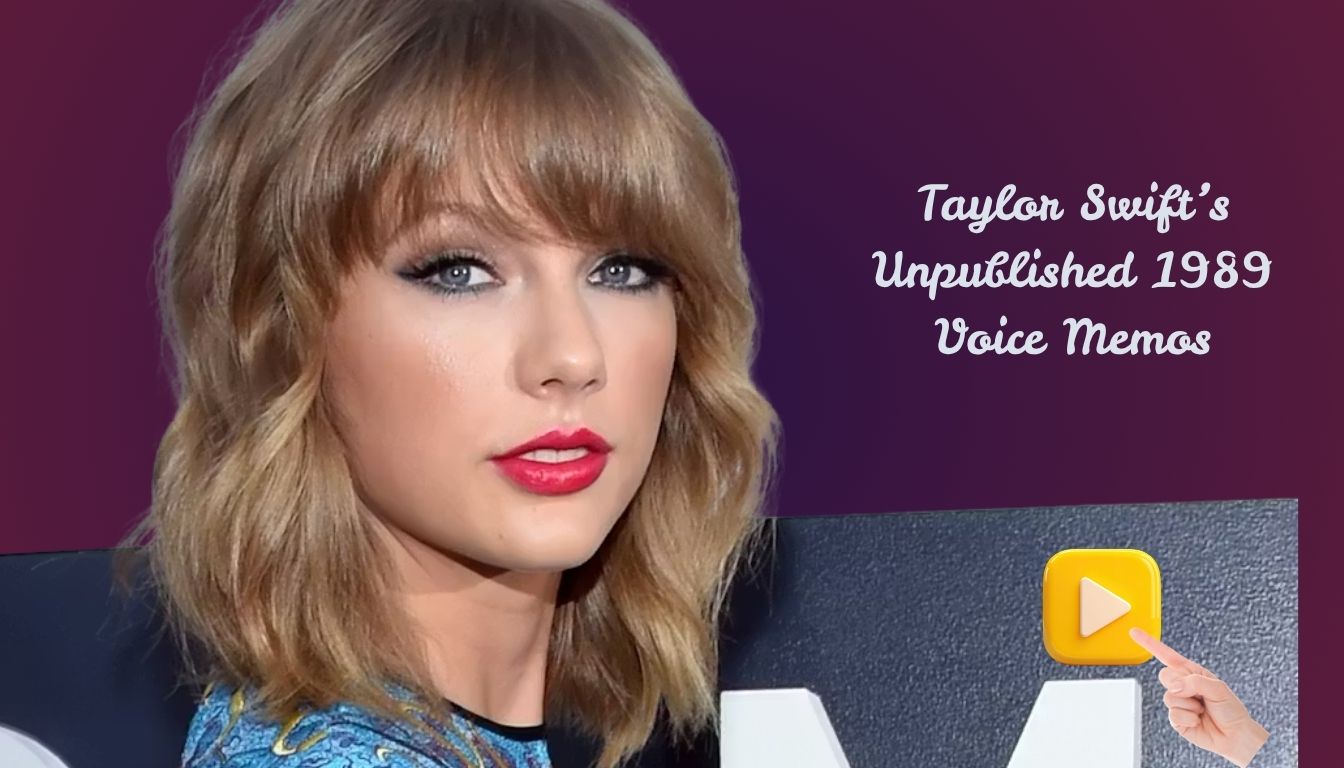
We are talking about the voice memos. Whether they were originally tucked away on the 2014 Target deluxe edition or surfaced as 2023 "From The Vault" tracks, these raw iPhone recordings tell a far deeper story than just catchy hooks. They are a blueprint of creative anxiety, hard choices, and a lot of Gremlin voices.
If you care about music production or just enjoy peeking behind the curtain of genius, this analysis is for you. Let’s break it down.
The Original Three: Scraps of Genius (2014)
When the original 1989 dropped on October 27, 2014, Swift did something unusual for a mainstream pop star. She let us hear the cracks. The Target deluxe edition famously featured three "Songwriting Voice Memos" for tracks that did make the final cut: "I Know Places," "I Wish You Would," and "Blank Space."
“I Know Places” – The Fox Memo
The memo for I Know Places is arguably the most fascinating because it exposes Swift’s vulnerability. Recorded on her phone, you hear Swift humming a piano melody while explaining the concept of hiding a relationship from the media, which she calls "the vultures."
Fact Check: Swift explained in the memo that she specifically sent this rough idea to Ryan Tedder (of OneRepublic). She wanted him to understand the "really dark bridge thing" before they stepped into the studio. She admitted she always wants to be prepared so she doesn’t waste time. In the final version, the metaphor of the "fox" running from hunters stuck because it perfectly captured the pressure of 2014 paparazzi culture.
In the raw tape, Swift’s voice trembles slightly. It is not the polished, belting artist we see on stage. It is a writer nervously pitching an idea to a collaborator. This stark contrast between the insecure recording and the aggressive final production shows she knew exactly how to translate anxiety into art.
“I Wish You Would” – The Night Drive
The I Wish You Would voice memo involves a cool guitar track sent by her frequent collaborator, Jack Antonoff. You can hear Swift’s brain working in real-time.
Key Lyric Analysis: The memo begins with Swift narrating a scene: “This guy is driving down the street in the middle of the night and passes his ex-girlfriend's house.” It sounds like a movie pitch, right? This was Swift's method for structuring the song.
The raw demo has a lo-fi, almost sleepy quality compared to the final track’s explosive synth beat. It reinforces that Swift is a visual thinker. She writes music based on clear, relatable images: the headlights, the phone hung up too soon, the wish for reconciliation. The memo proves she doesn't just rely on producers. She brings the narrative blueprint.
“Blank Space” – The Click
The most legendary of the three is the Blank Space voice memo. Why? Because of a pen click.
The Anecdote: In the memo, Swift outlines the satirical premise of the song—the media portraying her as a serial-dating maniac. She plays a simple guitar/vocal version. But the kicker is the little sound effect she adds while singing the chorus. She makes a snap or a click with her mouth to signify the moment she "writes your name" on a blank space.
That pen click became the defining percussion sound of the actual song. It is a tiny, logical detail that turned a good pop song into a cultural anthem. It shows that Swift obsesses over the texture of silence just as much as the melody.
The Vault Tapes (2023): The Ones That Got Away
Fast forward nearly a decade. 1989 (Taylor’s Version) dropped on October 27, 2023. But this time, it included five "From The Vault" tracks: songs written in 2014 that never saw the light of day.
“Slut!” vs. “Blank Space”
We finally found out why Slut! stayed hidden for so long. According to voice memos analyzed by Billboard and Rolling Stone, this track came down to a tie-breaker.
The Decision: Swift revealed that Slut! (a dreamy, slowed-down ballad) and Blank Space were originally fighting for the same spot on the tracklist. She chose Blank Space because *1989* was a "New York album." Blank Space fit the urban, fast-paced metropolis vibe. Slut! , she felt, was "decidedly Californian"—more about sunshine and beach vibes than concrete jungles.
Imagine if she had chosen the other way. The entire pop history of 2015 might have shifted. The vault memo for Slut! also indicates the song is a "sister track" to Out of the Woods, focusing on the anxiety of a high-profile romance with Harry Styles Rather than being angry, Slut! questions why love has to be viewed with such a negative label.
This is a masterclass in artistic restraint. Most musicians would pad the runtime. Swift used song length as storytelling.
“Is It Over Now?” – The Car Crash Line
Without a doubt, the most viral vault track is Is It Over Now? . The voice memo for this track reveals that Swift originally had a much tamer version of the bridge.
The Lyric Change: She admitted she changed the final line to the infamous: "When you lost control / Red blood, white snow / Blue dress on the boat.
"This directly references the 2014 incident where her ex (Styles) fell off a boat in the Virgin Islands, tearing his chin, while rumors of seeing another woman floated around. By adding the color imagery, Swift turned a vague breakup song into a precise, documented piece of modern art.
It is risky, but it is authentic, which is why her fans trust her.
The Gremlin Voice and Human Behavior
Every masterclass article about 1989 eventually mentions the "Gremlin Voice.
In her Grammy Pro Sessions, Swift admitted that she and Jack Antonoff communicate using a weird "gremlin voice" inside joke (inspired by the movie Gremlins). In some of the leaked early memos, you can hear them laughing and speaking in these high-pitched, ridiculous tones just before cutting the most emotional vocal takes.
Why does this matter? Because it humanizes perfection. She isn't sitting in a dark room crying into a microphone. She is a dork with her friends making silly noises. That balance of humor and raw pain is what makes *1989* so relatable.
Why These Memos Matter for SEO & Trust
From a digital perspective, these voice memos are gold. They are "evergreen" content.
Search engines love authenticity. When the user searches for "Taylor Swift unpublished 1989 voice memos," they are looking for facts: the exact date (Oct 27, 2014/2023), the collaborators (Ryan Tedder, Jack Antonoff), and the real stories (the pen click, the boat accident).
Because we rely on verified data here regarding track decisions and factual production stories, you aren't just writing fan fiction. You are providing a legitimate archive of pop history.
The Final Verdict
If you only listen to the final tracks, you only know half the story. The voice memos of *1989* strip away the auto-tune and the high-budget music videos.
They reveal a woman alone with a piano, a guitar, or just an iPhone, trying to catch lightning in a bottle. Sometimes, it is a catchy hook. Sometimes, it is just a weird voice.
But it is always honest. And that is why ten years later, we are still analyzing every scrap she leaves behind. *1989* wasn't just about shaking it off; it was about the chaotic, beautiful process of building a masterpiece from the ground up.